

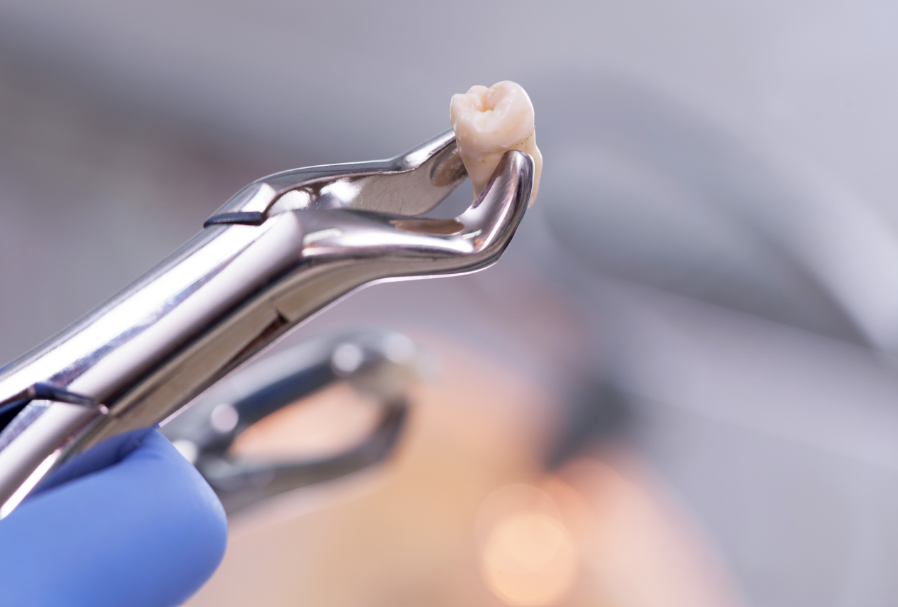
Hearing that you need a tooth extraction can feel intimidating, but in many cases, it’s actually the best step for protecting your long-term oral health. Dentists don’t recommend removing a tooth without careful consideration. When extraction is suggested, it’s usually because keeping the tooth poses a greater risk than removing it. Understanding the reasons behind this recommendation can help put your mind at ease.
Severe Tooth Decay or Infection
One of the most common reasons for tooth extraction is advanced decay. When a cavity reaches deep into the tooth and causes significant infection, saving the tooth may no longer be possible. If the infection spreads beyond the tooth and into the surrounding bone or tissue, extraction may be necessary to prevent further complications.
In these situations, removing the tooth helps stop the infection from spreading and protects the health of nearby teeth and gums.
Advanced Gum Disease
Gum disease doesn’t just affect your gums — it can also damage the bone that supports your teeth. In advanced stages, teeth may become loose due to bone loss. When a tooth can no longer be stabilized, extraction may be the healthiest option.
Removing severely affected teeth can also help improve overall gum health and make it easier to treat remaining areas of infection.
Impacted or Problematic Wisdom Teeth
Wisdom teeth are a frequent cause of extractions. These teeth often don’t have enough room to come in properly, leading to impaction, crowding, or partial eruption. Impacted wisdom teeth can cause pain, swelling, infection, and damage to neighboring teeth.
Extracting problematic wisdom teeth can prevent ongoing discomfort and reduce the risk of future oral health issues.
Dental Crowding and Orthodontic Needs
Sometimes, extractions are recommended as part of an orthodontic treatment plan. When the mouth is overcrowded, removing a tooth can create the space needed to properly align the remaining teeth.
While it may seem counterintuitive, strategic extractions can improve bite function, aesthetics, and long-term oral health when recommended by a dentist or orthodontist.
Cracked or Damaged Teeth Beyond Repair
Accidents, injuries, or long-term wear can sometimes cause cracks or fractures that extend below the gum line. When a tooth is too damaged to be repaired with a crown or other restorative treatment, extraction may be necessary.
In emergency situations, patients often search for help with severe pain or trauma and may need an emergency tooth extraction near me to address the issue quickly and prevent complications.
Preparing for Restorative Treatment
In some cases, a damaged or failing tooth needs to be removed to prepare for future treatment, such as a dental implant or bridge. Extracting the tooth allows the area to heal properly and sets the stage for a more stable, long-lasting restoration.
While tooth extraction can sound daunting, it’s often a proactive step toward relieving pain and restoring oral health.
About the Practice
At Dental Designs of Maryland in Hanover, you’ll find a team of experienced dentists and specialists working together to provide comprehensive dental care under one roof. Our providers include family dentists, cosmetic experts, a periodontist, and implant specialists, all focused on delivering personalized treatment and compassionate care.
Call us at (410) 931-9400 or request an appointment online.